Overview
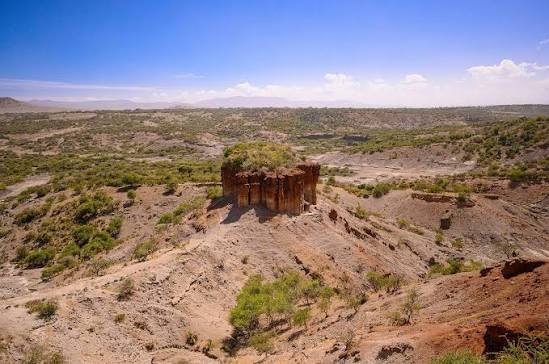
Olduvai Gorge, often called the "Cradle of Mankind," is one of the most significant paleoanthropological sites in the world. Located in northern Tanzania between the Serengeti and Ngorongoro, this 48-kilometer-long ravine holds the most continuous fossil record of human evolution known to science. A 2-day safari to Olduvai Gorge offers travelers a unique journey through time, combining fascinating history, stunning landscapes, and an educational adventure that goes far beyond a typical wildlife safari .
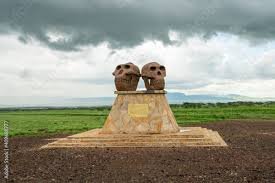
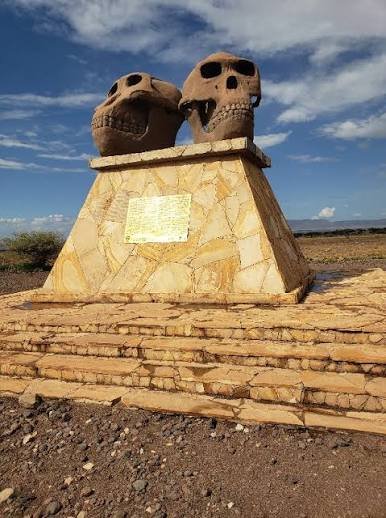
The gorge first gained prominence when paleoanthropologists Mary and Louis Leakey discovered evidence of early human species in the 1930s. In 1959, Mary Leakey unearthed a skull fragment belonging to an early hominin that her husband named Zinjanthropus boisei, famously dubbed "Nutcracker Man" because of its huge molars. This discovery remains one of the oldest traces of modern man, and the site has been an active excavation area ever since.
A 2-day itinerary allows you to explore not only Olduvai Gorge but also the surrounding archaeological treasures, including the Laetoli Footprints and the fascinating Shifting Sands, while enjoying the stunning landscapes of the Ngorongoro Conservation Area .
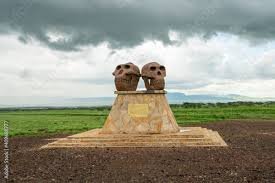
- Visit the Olduvai Gorge Museum and view exhibits on hominid evolution, stone tools, and mammal fossils discovered over decades
- Walk along the gorge floor with an expert guide to see fossil beds, sediment layers, and panoramic views of the Great Rift Valley
- Learn about the discoveries of Louis and Mary Leakey, pioneers of paleoanthropology
- Explore the Laetoli Footprints, the earliest evidence of bipedalism dating back 3.6 million years
- Witness the Shifting Sands, a surreal volcanic ash dune that moves across the landscape
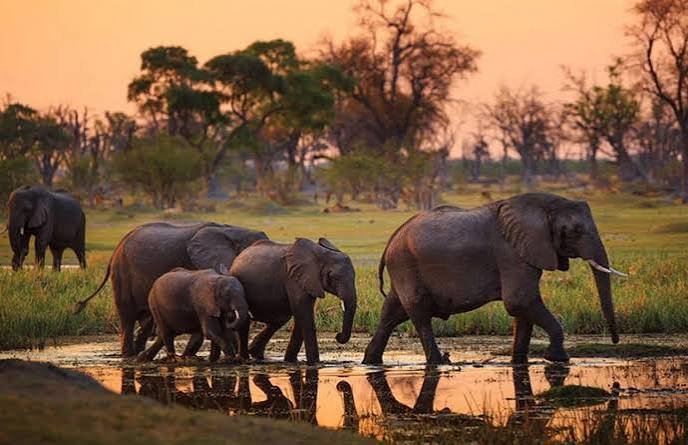
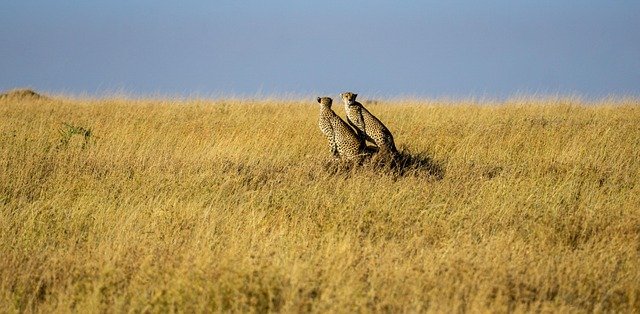
- Enjoy scenic drives through the Ngorongoro Conservation Area and Maasai lands
- Stay overnight at a lodge or camp near the Ngorongoro area
Itinerary
Day 1: Arusha to Olduvai Gorge & Shifting Sands
| Time | Activity |
|---|---|
| 6:00 AM | Pickup from your hotel in Arusha |
| 6:30 AM to 10:00 AM | Scenic drive through the Great Rift Valley and Ngorongoro Conservation Area, passing through Maasai villages and open savannah landscapes |
| 10:00 AM to 10:30 AM | Arrival at Olduvai Gorge, registration and briefing |
| 10:30 AM to 12:30 PM | Guided tour of the Olduvai Gorge Museum – exhibits on early human evolution, fossils, and ancient tools |
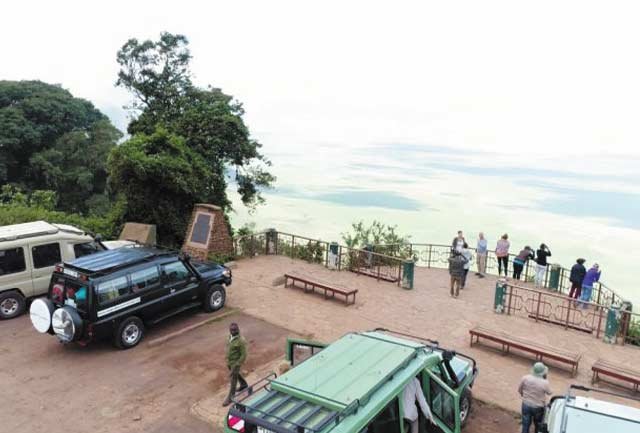
| 12:30 PM to 1:30 PM | Picnic lunch at a scenic viewpoint overlooking the gorge |
| 1:30 PM to 3:30 PM | Guided walk along the gorge floor to see fossil beds, excavation sites, and panoramic views |
| 3:30 PM to 4:30 PM | Drive to the Shifting Sands – explore the surreal black sand dunes that move across the landscape due to wind |
| 5:00 PM to 6:00 PM | Return to your lodge or campsite in the Ngorongoro Conservation Area |
| 7:00 PM | Dinner and overnight stay |
Overnight: Mid-range lodge or tented camp near Ngorongoro
Day 2: Laetoli Footprints & Return to Arusha
| Time | Activity |
|---|---|
| 6:30 AM | Early breakfast at the lodge |
| 7:00 AM to 8:30 AM | Drive to Laetoli, passing through stunning landscapes |
| 8:30 AM to 10:30 AM | Guided tour of the Laetoli Footprints – fossilized footprints left by early hominids dating back 3.6 million years, some of the earliest evidence of bipedalism |
| 10:30 AM to 11:30 AM | Learn about the scientific significance of the site and the surrounding ancient environment |
| 11:30 AM to 12:30 PM | Packed lunch at a scenic spot |
| 12:30 PM to 5:00 PM | Scenic drive back to Arusha, passing through the Ngorongoro Conservation Area |
| 5:00 PM to 6:00 PM | Drop-off at your hotel in Arusha |
Park Fees
| Fee Type | Cost (USD) |
|---|---|
| Ngorongoro Conservation Area Entry (Foreign Non-Resident) | $71 per person per day |
| Olduvai Gorge Museum Entry (Foreign Non-Resident) | $35 per person |
| Laetoli Footprints Entry | $35 per person |
| Guided Tour Fee | $20 to $30 per group |
| Shifting Sands Entry | Included in Ngorongoro fees |
Best Time to Visit
| Season | Months | Experience |
|---|---|---|
| Dry Season | June to October | Roads accessible, trails dry, researchers often present |
| Short Rains | November to December | Lush landscapes, fewer crowds |
| Short Dry | January to February | Warm, clear days, good for walking tours |
| Long Rains | March to May | Trails can be muddy, greener scenery |
What is Included
The 2-day Olduvai Gorge safari includes hotel pickup and drop-off in Arusha, transport in a comfortable 4x4 safari vehicle, a professional English-speaking guide, entrance fees to Olduvai Gorge Museum, Laetoli Footprints, and Shifting Sands, all meals as per the itinerary (breakfast, lunch, and dinner), bottled drinking water, and overnight accommodation at a mid-range lodge or camp near Ngorongoro .